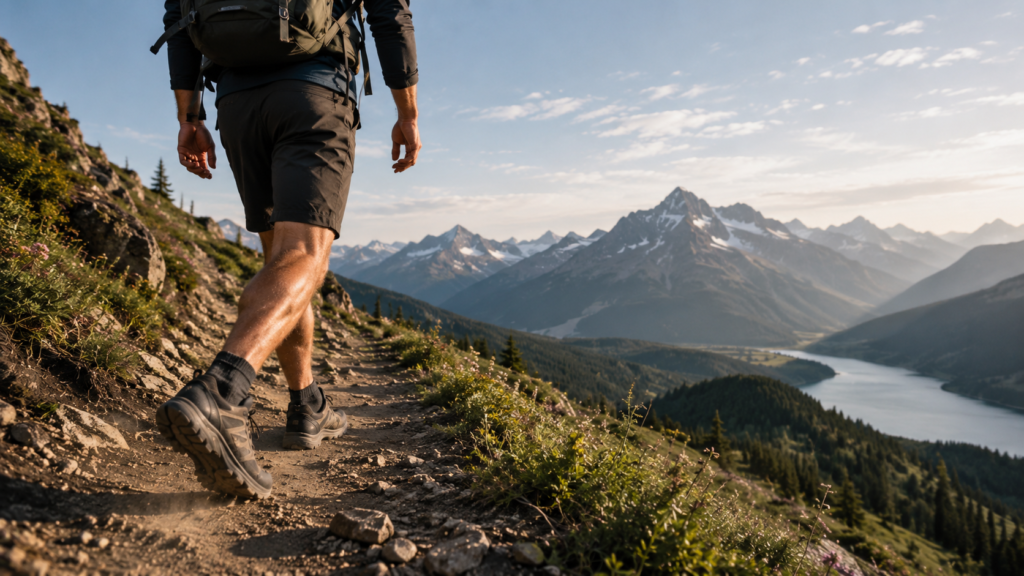
These are the best low-cut hiking shoes for long-distance comfort, and none of them got picked at random. Professional labs like OutdoorGearLab, Switchback Travel, and Better Trail have logged hundreds of trail miles on these exact models, testing shock absorption, toe box width, and multi-year durability. That research gets cross-referenced against thousands of real buyer reviews below, so you’re seeing the same picture the testers saw.
Quick Pick
- Best overall: Merrell Moab 3
- Best cushioning for long miles: Hoka Speedgoat 6
- Best wide toe box: Altra Lone Peak 8
- Best stability on technical terrain: Salomon X Ultra 4
| Shoe | Weight | Drop | Best For | Rating |
|---|---|---|---|---|
| Merrell Moab 3 | 2.42 lb/pair | Standard | All-around comfort, budget-friendly | 4.5★+ |
| Hoka Speedgoat 6 | ~1.2 lb/pair | 5mm | Max cushioning, long mileage | 4.4★+ |
| Altra Lone Peak 8 | ~1.3 lb/pair | Zero | Wide/roomy toe box, natural stride | 4.5★+ |
| Salomon X Ultra 4 | ~1.6 lb/pair | Standard | Off-camber stability, technical trails | 4.4★+ |
Merrell Moab 3 — Best Overall
This is the world’s best-selling hiking shoe, and it earns that title on comfort more than performance specs. Out of the box it feels broken-in, with a roomy toe box, soft padding at the collar, and a firm-but-not-harsh midsole that holds up over 10+ miles. Worth being honest about something: some outdoor industry professionals consider the Moab more of a comfortable walking shoe than a true technical hiker, criticizing its support on rough terrain. For maintained trails and long, steady mileage, that criticism matters less than the out-of-the-box comfort that’s made it a favorite for over a decade.
Pros
- Exceptional out-of-box comfort
- Roomy toe box, available in wide
- Budget-friendly relative to competitors
Cons
- Heavier than trail-runner-style options
- Less technical support on rough terrain
- Standard version isn’t waterproof
Hoka Speedgoat 6 — Best Cushioning for Long Miles
Nearly a pound lighter per pair than the Moab, with enough cushioning underfoot that testers describe the ride as “almost floaty” on maintained trails. That plush midsole is exactly what makes it a long-distance favorite — thru-hikers and fastpackers reach for the Speedgoat specifically because less impact per mile means less foot fatigue over a full day. The tradeoff: it can feel less stable on loose rock or off-trail scrambling, and the unpadded tongue on this generation has drawn some complaints for pressure across the top of the foot.
Pros
- Exceptionally lightweight
- Best-in-class cushioning for long mileage
- Aggressive Vibram traction
Cons
- Less stable on technical, off-trail terrain
- Unpadded tongue can cause pressure discomfort
- Durability lags behind heavier options
Altra Lone Peak 8 — Best Wide Toe Box
If your toes feel cramped in standard hiking shoes, this is the one to try. Altra’s “FootShape” design gives noticeably more room through the forefoot than any other shoe on this list, and the zero-drop platform (heel and forefoot sit at equal height) lets your foot land more naturally, something long-distance hikers and thru-hikers specifically seek out. It’s a genuine favorite on trails like the AT and PCT for exactly this reason. The zero-drop feel takes adjustment if you’re used to a traditional heel-to-toe drop, and it runs less supportive underfoot than the Moab for hikers who prefer more structure.
Pros
- Roomiest toe box in this category
- Zero-drop platform for natural stride
- Thru-hiker favorite, proven on long trails
Cons
- Zero-drop requires an adjustment period
- Less structured support than traditional hikers
- Runs narrow through the midfoot despite the wide toe box
Salomon X Ultra 4 — Best Stability on Technical Terrain
Where the other three prioritize cushioning and comfort, the X Ultra 4 prioritizes control. It’s built with a clever lacing system (the Quicklace pull-cord) and a firmer platform that keeps your foot planted on off-camber rock and loose scree, at the cost of some of the plush comfort found in the Speedgoat. One consistent caveat across reviewers in rockier terrain: the rubber compound doesn’t grip as confidently on wet or greasy rock as it does on dry trail.
Pros
- Excellent stability on uneven, technical terrain
- Fast, secure lacing system
- Durable, well-regarded build quality
Cons
- Firmer ride, less plush than cushioned options
- Traction underperforms on wet rock specifically
- Runs narrow, worth trying before buying
A Quick Note on Sizing
All four of these run in men’s and women’s-specific versions. Hiking shoes generally fit true to size or slightly roomy compared to sneakers, so many hikers size up a half size to accommodate foot swelling on long days and to leave room for thicker hiking socks. If you’re between sizes, sizing up is the safer call. If you’re building toward your first long-distance trip, our packing checklist covers the rest of what you’ll need.
FAQ
Do low-cut hiking shoes provide enough ankle support for long hikes?
For most maintained trails, yes — ankle injuries on trail are more often caused by an unstable step than by cut height, and modern trail shoes prioritize a secure, locked-in heel over ankle coverage. If you’re regularly carrying a heavy pack or traveling off-trail on uneven ground, a mid or high-cut boot still offers more protection.
Are these shoes waterproof?
Not by default. Each of these four is available in a waterproof (Gore-Tex) version for a price premium, but the standard versions covered here prioritize breathability, which most long-distance hikers prefer over waterproofing except in consistently wet climates.
How long do hiking shoes like these last?
Most owners report 300-500 miles before the tread and cushioning noticeably break down, though this varies widely based on terrain and hiker weight. If you’re logging serious mileage, plan on replacing them roughly once a year.
Which one matches your feet — wide and natural, or snug and technical? Tell us in the comments, and if you’ve put real miles on any of these four, we’d like to hear how they held up. 👇